Horizon
A Klyxen Technology project

Horizon.

Offline Mesh Communication for Disaster Zones

No internet. No cell towers. No problem.

Horizon mesh communication ecosystem banner
Meet Horizon

Built for when everything fails.

An offline LoRa mesh relay from Klyxen Technology that keeps people connected when the grid, the towers and the internet are gone.

Off the grid

No internet. No cell towers. No problem.

Every relay talks straight to the next over LoRa radio. No infrastructure, no subscriptions, no signal needed.

Self-forming mesh

Every node extends the network.

In field testing, units meshed across 623 m, and the direct alarm reached its target 29 of 30 times (96.7%) in Formal Probe Test 2.

Still evolving

Tested in the field. Improving every build.

See the real test data, the roadmap and what is coming next.

View Field Test Results
Communication shouldn't fail when infrastructure does

Mission

To provide reliable, offline communication for disaster prone communities using affordable, open source mesh technology that works when everything else fails.

Vision

A world where no disaster victim is unreachable, where every baranggay has its own communication network, and responders can coordinate without infrastructure.

Goal

Deploy Horizon ecosystems across disaster prone areas in the Philippines, starting with baranggay level integration through DRRMO partnerships.

Image Gallery

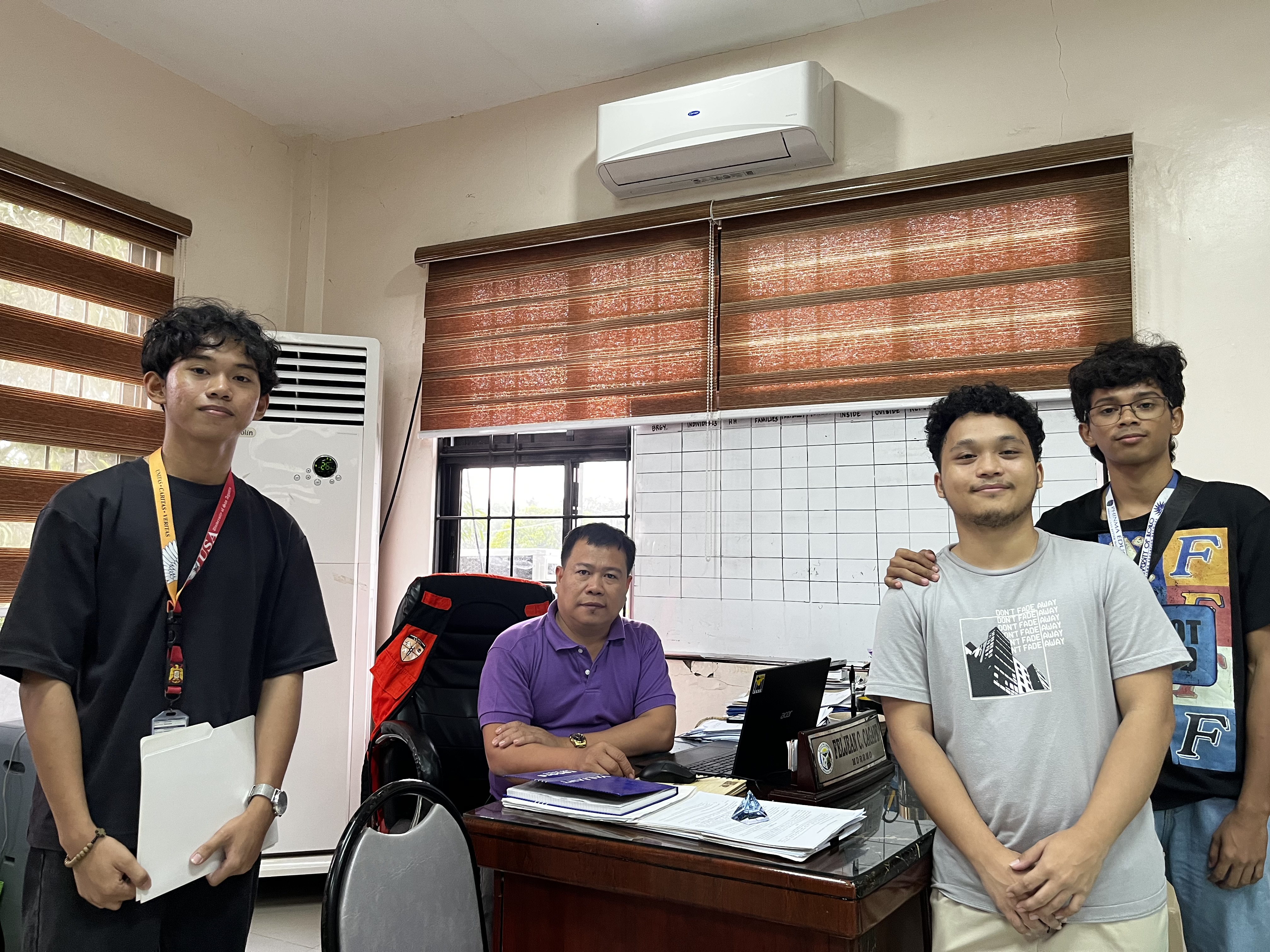
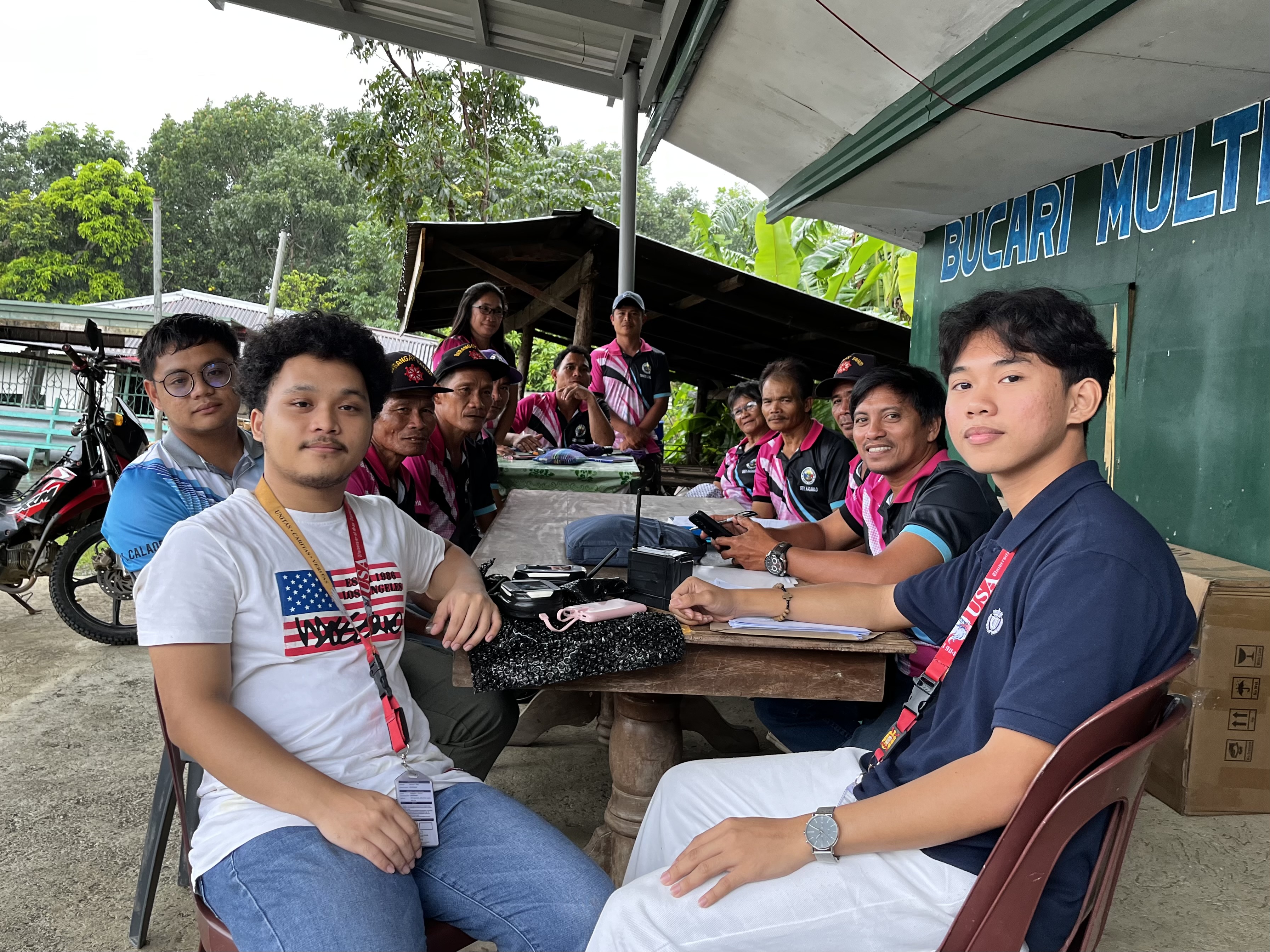
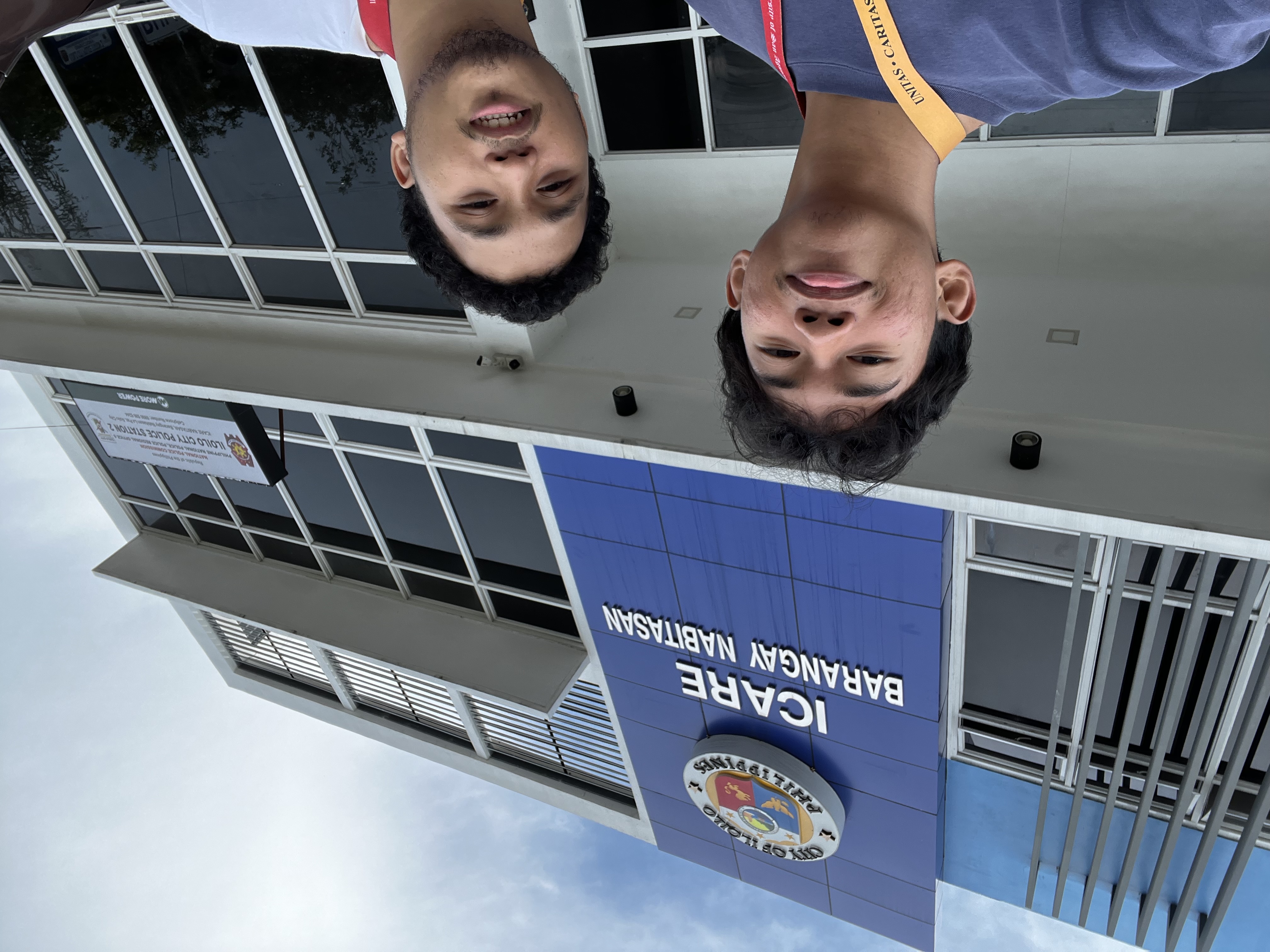
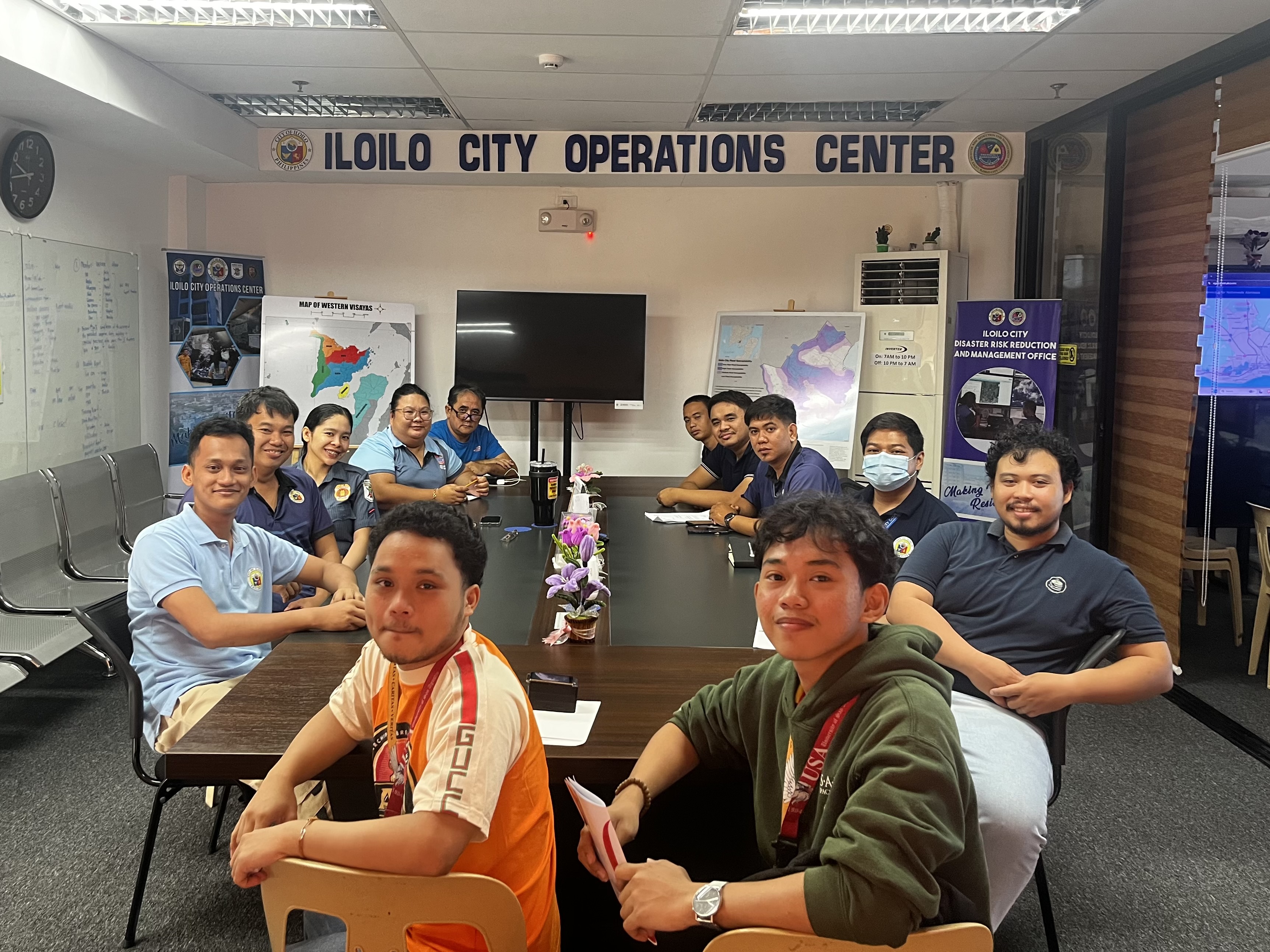
Coordination meetings, documentation, and testing photos throughout the development of Horizon.

0
Infrastructure Needed
623.28-1km+
Max Mesh Range
4
Devices in the Ecosystem
5 days
Handheld Battery Span
7
Tests Conducted

Units in the field right now

Hand assembled prototype units, currently deployed for internal testing and validation.

2
Horizon Units
Handheld mesh communicators
1
Horizon Solar Powered Relay
Long range mesh bridge
1
Horizon Alarm System
Buzzer and vibration alert unit

Field Test Dashboard

Five-phase validation framework — from prototype proof-of-concept through full ecosystem deployment simulation.

COMPLETE
Phase 1

Prototype Tests

Proof of concept, error finding, improvement identification. 5 tests from July 1–23, 2026. 116m baseline → 394m peak.

PARTIAL — 2/3 TESTS
Phase 2

Formal Probe Tests

Baseline foundation establishment. 2 of 3 tests complete (July 30 & Aug 6, 2026). 593m direct, 623.28-1km+ in mesh, 88.3% system reliability so far.

SCHEDULED
Phase 3

TRAFT

Terrain Reliability And Field Test Assessment. Barangay Bucarri, Leon. Landslide-prone, mountainous terrain.

PLANNED
Phase 4

ESIFT

Environment System Integrity Field Test Assessment. Heavy rain, extreme heat, natural phenomena survival.

PLANNED
Phase 5

VETA

Viable Ecosystem Test Assessment. Full-scale deployment simulation. Relay mounted near MDRRMO.

Completed Test Phases
1.5 / 5
Prototype complete, Probe in progress
Total tests conducted: 7
Max Direct Distance
593 m
+411.2% vs baseline
Max Mesh Distance
623.28-1km+
Extended via relay
Alarm Success Rate
98%
50/51 combined attempts
Mesh Packet Success
88.9%
32/36 combined attempts
System Reliability
88.3%
Probe 1 & 2 combined
COMPLETE

Phase 1: Prototype Tests

Purpose: Proof of concept, error finding, improvement identification.
Summary: Exploratory tests to confirm the system works, identify failure modes, and guide refinement.
Conducted: 5 tests from July 1 to July 23, 2026
Data: 116m baseline → 394m peak, antenna fault diagnosed, mesh error finding completed

Overall Prototype Phase Reliability Rating
72%
Average across all 5 prototype tests (60% → 85% progression)
PARTIAL — 2 OF 3 TESTS COMPLETE

Phase 2: Formal Probe Tests

Purpose: Establish baseline foundation for comparison.
Summary: Controlled formal measurements that create the official reference point.
Conducted: 2 tests completed (July 30 and August 6, 2026). 3rd test pending.

Overall System Reliability Rating (Probe 1 & 2 Combined)
88.3%
Weighted average: (98% alarm × 0.5) + (88.9% mesh × 0.5) = 88.3%
SCHEDULED

Phase 3: TRAFT (Terrain Reliability And Field Test Assessment)

Purpose: Validate performance in actual deployment terrain.
Summary: Field testing in Barangay Bucarri, Leon. Landslide-prone, mountainous terrain.
Status: Scheduled after August 27 coordination

PLANNED

Phase 4: ESIFT (Environment System Integrity Field Test Assessment)

Purpose: Validate durability under environmental stress.
Summary: Heavy rain, extreme heat, natural phenomena survival.
Status: Planned after TRAFT

PLANNED

Phase 5: VETA (Viable Ecosystem Test Assessment)

Purpose: Validate full deployment configuration.
Summary: Full-scale deployment simulation. Relay near MDRRMO, alarms at strategic locations.
Status: Planned after ESIFT

Latest updates

Versions Timeline

Full Features

Battery Power Span

Estimated runtime and charging data for the Horizon Handheld. Current prototype battery: 2000mAh Li-ion.

Battery Capacity

2000 mAh

Li-ion rechargeable battery

Charging Port

USB Type-C

Fast charge & slow charge compatible

Safety Protections

Full Protection

Overcharge, discharge & overheating protection

Device models

Horizon Handheld unit 3D model

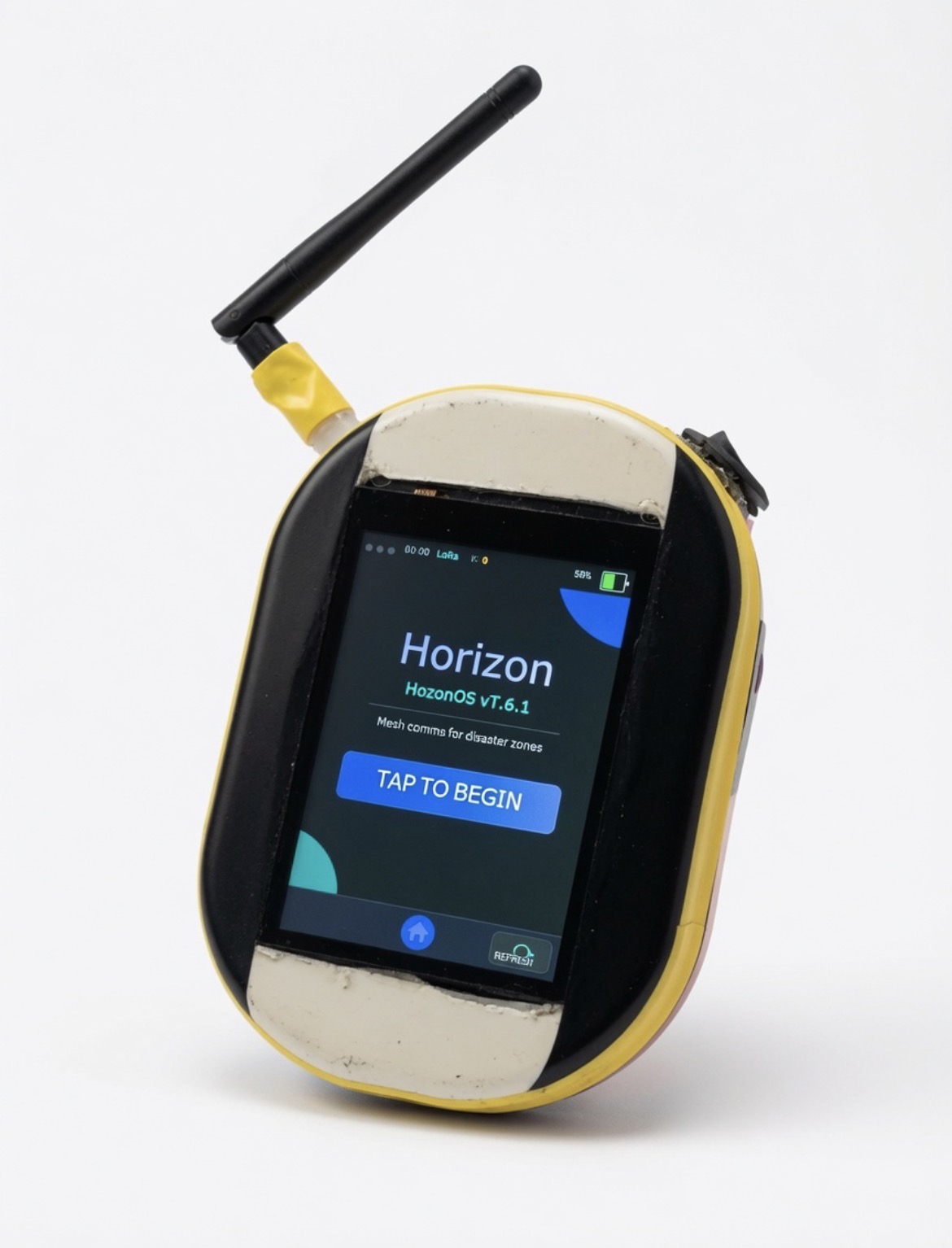
Horizon Handheld

v6.9In Validation

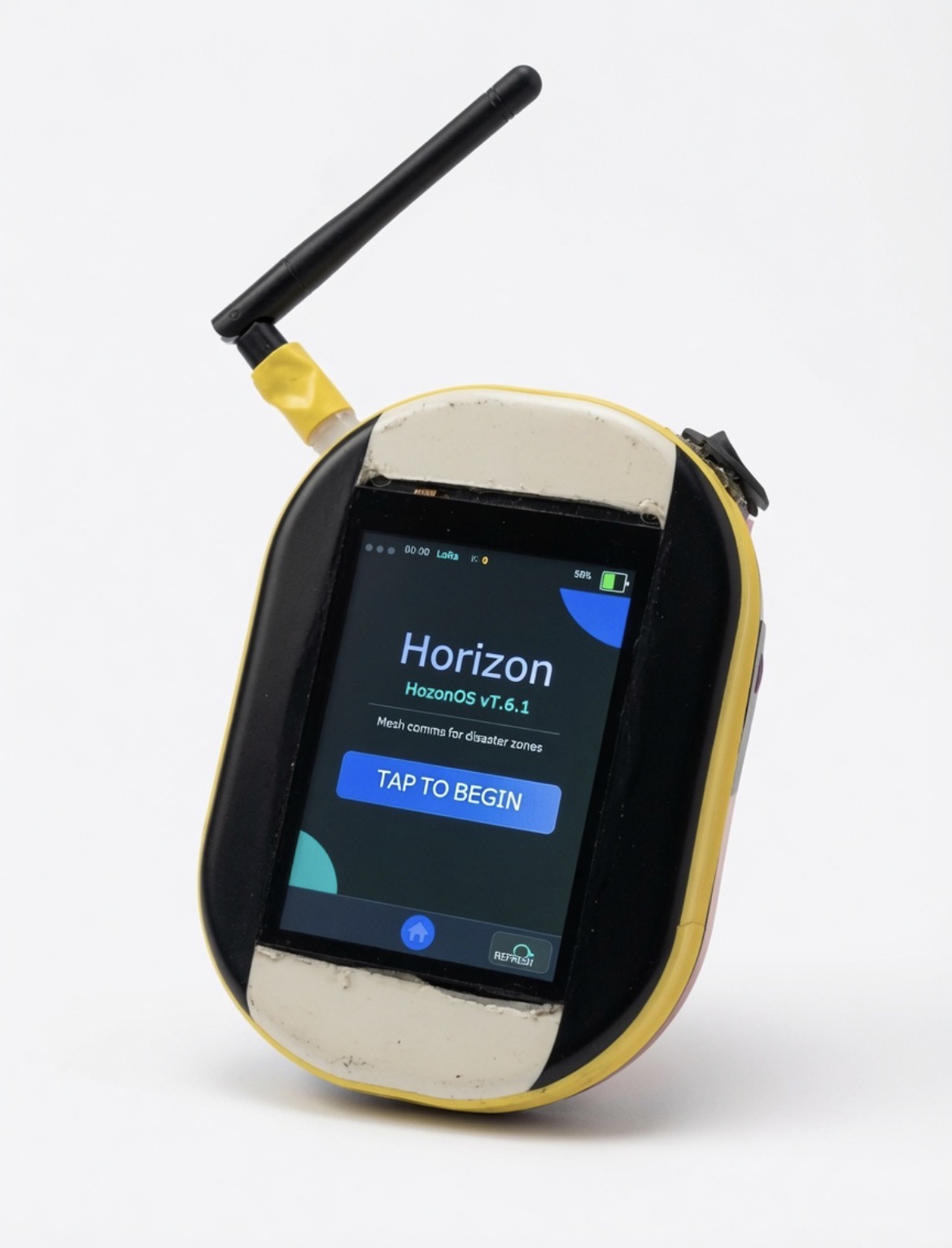
Portable mesh communicator with capacitive touch, chat, urgent, and alarm modes.

Horizon Solar Relay 3D model

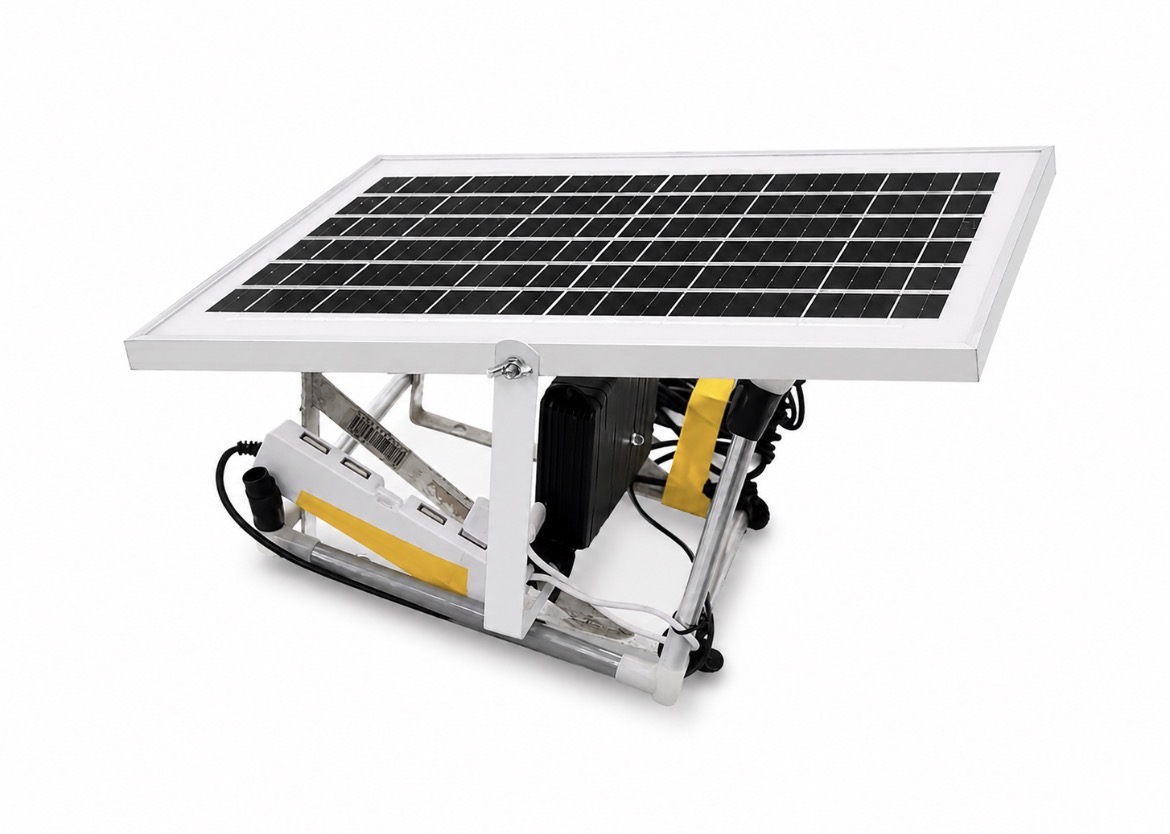
Horizon Solar Relay

v1.3Field Testing

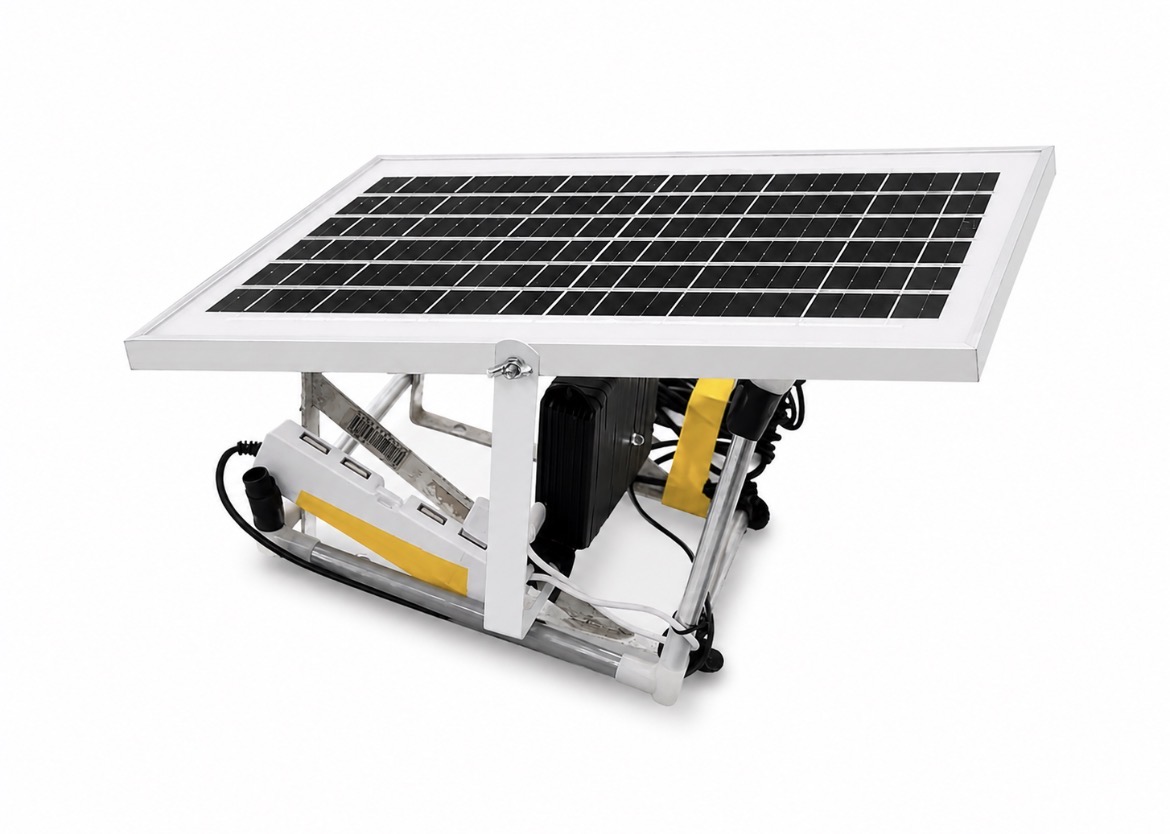
Solar powered bridge node with anti flood forwarding and permanent packet storage.

Horizon Alarm System 3D model

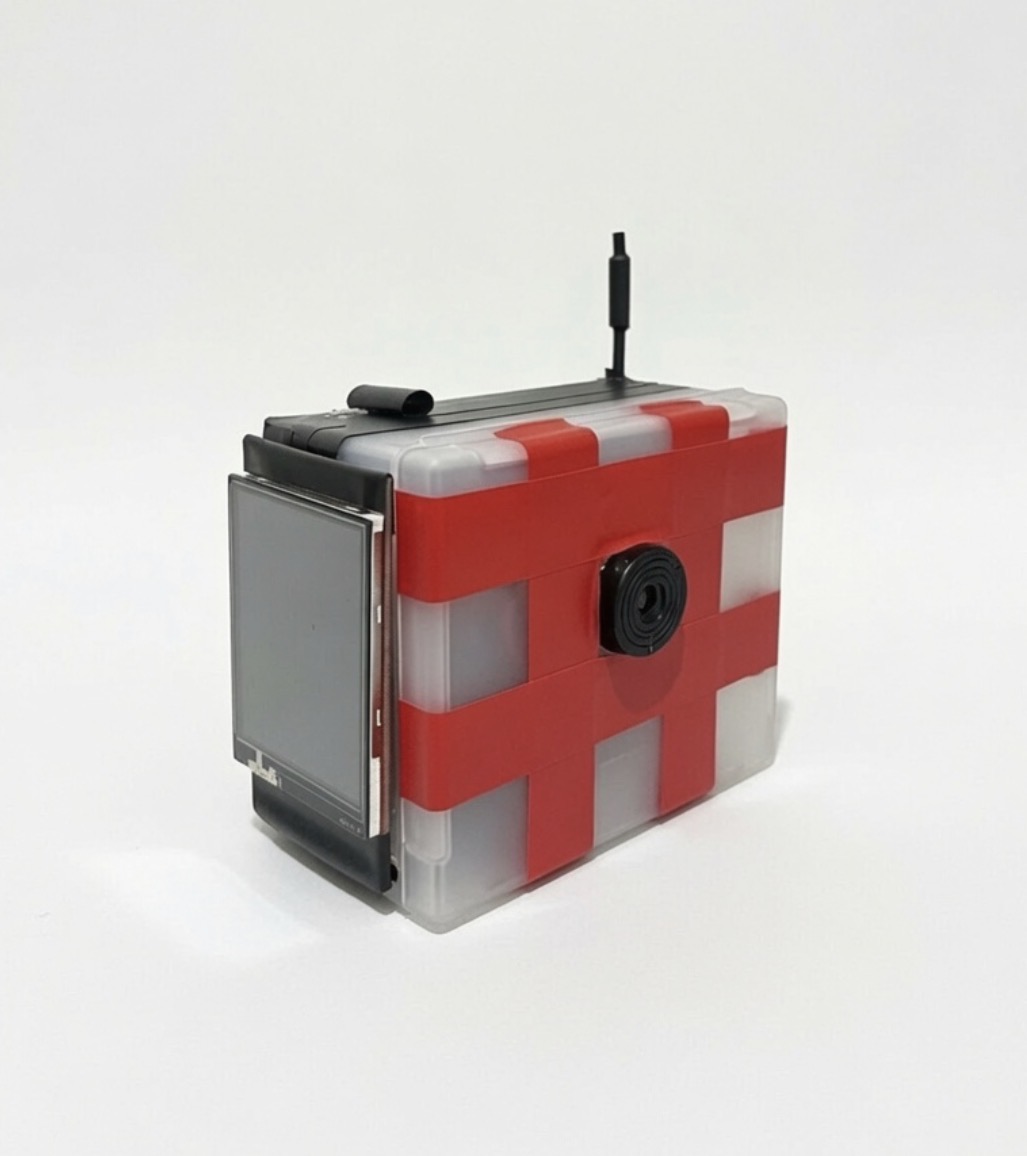
Horizon Alarm System

v5.0In Validation

3-24V Buzzer TFT status display and vibration motor alarm system temporary prototype.

Ecosystem Overview

Handheld
Relay
Alarm System

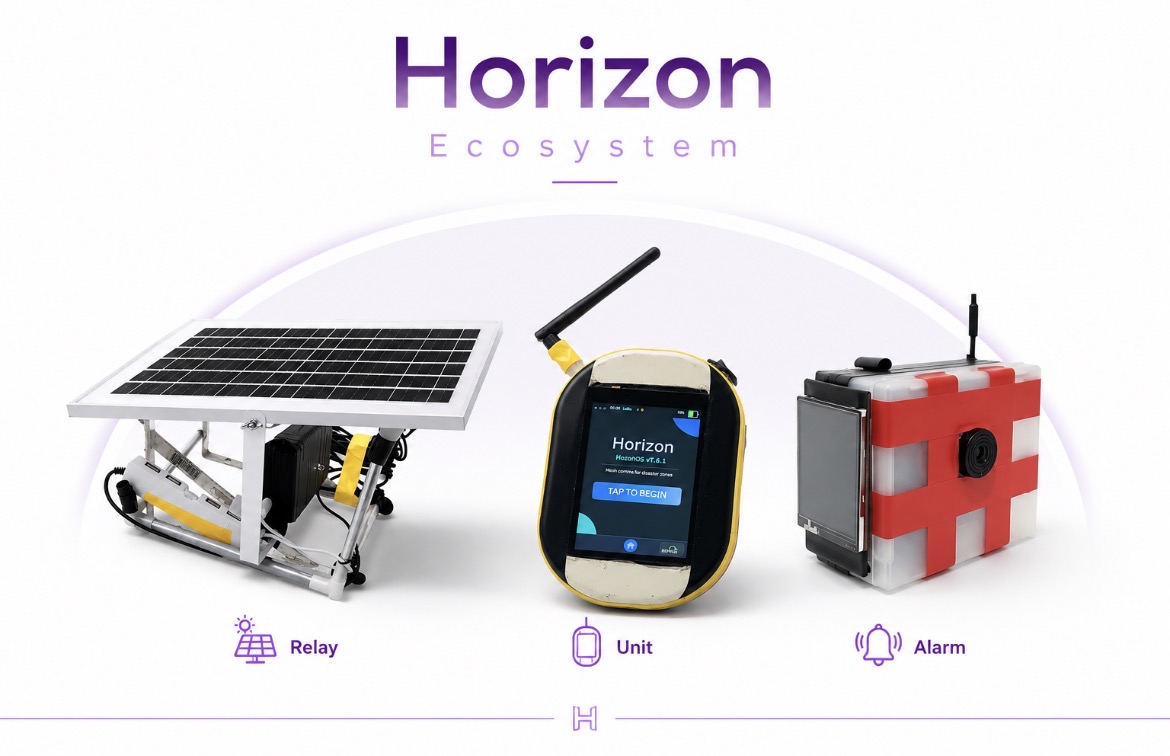
The relay bridges gaps. The alarm alerts everyone. The handheld connects responders.

All three Horizon devices together
Horizon Handheld device
Est. ₱2,570

Handheld

  • Portable, pocket sized build
  • Capacitive touch screen
  • Battery powered (2000mAh)
  • Chat, Urgent and Alarm modes
Not for sale, validation in progress
Horizon Alarm System device
Est. ₱1,899

Alarm System

  • 3-24V Buzzer
  • TFT status display
  • Vibration motor alert
  • External power (UPS/Solar planned)
Not for sale, validation in progress
Horizon Solar Relay device
Est. ₱2,999

Relay

  • Solar powered (external support)
  • Permanent packet storage
  • LED status indicators
  • Never forgets a packet
Not for sale, validation in progress

About & Team

Built by three BSIT students who believed communication shouldn't fail when infrastructure does.

Klyxen Technology logo Horizon is a project developed under Klyxen Technology.

John Kyle R. Amarante

Lead Developer

HozonOS Architect and Hardware Design

James Melliza

Developer

UI Parameters Classification

Antonio Edward Labios

Developer

Systems and field testing

Origin

Started July 1, 2025
Iloilo, Philippines

Current Status

Not for sale. Undergoing validation and support.

Recognition

  • DOST engagement
  • SACEO grant recipient
  • Multiple pitch presentations

Interested in Horizon for your baranggay or organization?

Whether you're a DRRMO office, a local government unit, or a community organization, we'd like to hear from you.

Iloilo, Philippines
klyxen.tech@gmail.com

We'll respond within 3 to 5 business days.